Quick Facts
- Daily-drink picks: Sula Shiraz (₹650-900), Fratelli Sangiovese Bianco (₹900-1,250), Big Banyan Bonhomie (₹700-950)
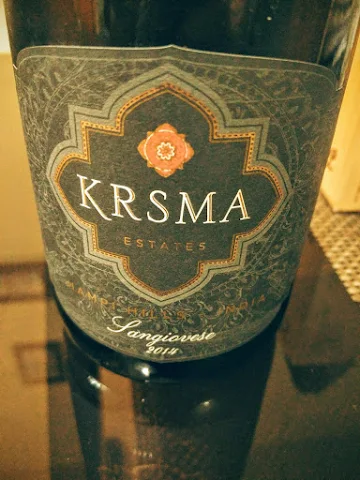
- Premium Indian: KRSMA Sangiovese (₹2,400-3,200), Grover Zampa La Reserve (₹1,900-2,500), Sula Rasa Shiraz (₹1,700-2,300)
- Best for beginners: Sula Madera Red (₹550-800) or Big Banyan Crimson — light tannins, fruit-forward
- Best pairing: Indian curries pair best with medium-bodied Shiraz; tandoori meats with KRSMA Cabernet
- Serving temp: Indian reds at 14-16°C; pre-chill for 20 min in summer before serving
- Wine country day-trip: Nashik (4 hrs from Mumbai) is India’s wine capital — Sula, Grover, York vineyards
How to read a red wine label — Indian + imported (May 2026)
Wine labels are dense with information once you know what to look for:
- Grape variety: Cabernet Sauvignon (full-bodied, blackberry), Merlot (medium-bodied, plum), Shiraz / Syrah (peppery, dark fruit), Pinot Noir (light, cherry, more delicate). Most Indian wines are Shiraz, Cabernet, or Merlot.
- Region: Nashik (Sula, Fratelli, Grover) is India's wine-country; Karnataka (Big Banyan, Heritage) is the second cluster. Imported: Bordeaux (France), Tuscany (Italy), Napa (USA), Mendoza (Argentina), Stellenbosch (South Africa).
- Vintage: year on the bottle = year grapes were harvested. Indian wines drink best within 2-4 years of vintage; serious imports (Bordeaux, Barolo) can age 10-30+ years.
- Alcohol: standard 12-14% ABV. New World wines (USA, Argentina) often 14-15%. Old World (France, Italy) often 12.5-13.5%.
- Reserve / Special Reserve: in Indian wine, indicates extra aging or premium grape selection. Sula Rasa Reserve, Fratelli Sette are examples.
State-by-state pricing — directional guidance (May 2026)
Excise duty differences mean the same bottle of red wine can vary 1.5-3x in price between Indian states. Per-bottle prices change with monthly state excise notifications, so here is the directional rule that holds in May 2026:
| Category / brand tier | Cheapest states | Most expensive | Typical price gap |
|---|---|---|---|
| Indian standard (Sula Cabernet Shiraz, Fratelli Sangiovese) | Maharashtra (home state for many), Karnataka, Delhi | Tamil Nadu, Telangana (where wine is rare) | 1.3-1.7x |
| Indian reserve (Sula Rasa, Fratelli Sette, Grover Insignia) | Maharashtra, Delhi, Mumbai, Bangalore | Tier-2 cities (limited stock) | 1.4-1.8x |
| Imported standard (Hardy's, Jacob's Creek, Lindeman's) | Goa, Mumbai, Delhi, Bangalore | Tier-2 cities (low stock) | 1.5-2x |
| Imported premium (Penfolds Bin, Robert Mondavi, Antinori) | Mumbai, Delhi, Bangalore specialty | Most other cities (not stocked) | 2-3x — often parallel imports |
| Bordeaux / Tuscan / Burgundy cru | Mumbai, Delhi specialty (rare) | Not generally stocked | 2.5-3x — premium parallel imports |
For exact rupee prices, check the magicpin partner-store nearest to you — listings are updated daily and reflect current state excise.
How to actually serve red wine
- Temperature: 16-18°C (cool room temperature; Indian summers are warmer — chill in fridge 15-20 min before serving).
- Glassware: red wine glass (wider bowl than white). Tulip shape captures aromatics. Crystal vs glass makes minor difference.
- Decanting: full-bodied reds (Cabernet, Shiraz) benefit from 30-60 min in a decanter to "open up". Lighter reds (Pinot Noir) need 15-20 min only.
- Food pairings: Cabernet Sauvignon — red meat, steak. Merlot — chicken, pork, light beef. Shiraz / Syrah — barbecue, spicy curry, lamb. Pinot Noir — fish (yes, red wine with salmon), mushroom dishes, duck.
- Bottle storage: horizontal (keeps cork wet). Cool place (12-18°C ideal). Away from direct sunlight. Once open: re-cork and consume in 2-3 days.
- Avoid: serving too cold (mutes the wine). Too warm (alcohol becomes harsh). Wine glasses over-filled (no swirl room). Cheap wine with expensive food (or vice versa).
Real questions Indian wine drinkers ask
Q. Best Indian red wine?
A. Sula Rasa Reserve (Cabernet Shiraz), Fratelli Sette (Sangiovese-Cabernet blend), Grover Zampa La Reserve. All in the ₹1,200-2,500 range, all drink-ready, all consistent year-to-year.
Q. Why does the same Sula bottle cost different across states?
A. State excise duty. Wine excise is highest in Karnataka and Telangana. Maharashtra (Nashik home state) and Goa have the lowest. The same Sula Cabernet Shiraz at ₹650 in Maharashtra can be ₹1,100-1,500 in Karnataka.
Q. How long can I keep a wine bottle after opening?
A. Re-cork tightly, store in fridge. Reds: 2-3 days. Whites: 3-5 days. Sparkling: 1-2 days (with a champagne stopper). After this it tastes flat / oxidised.
Q. Indian wine vs imported — which is better value?
A. Indian wine is better value at the ₹800-2,500 tier. Imported wine at that price is usually entry-tier export-market stock. Above ₹3,500, imported wine starts showing its value advantage.
Q. Best Indian red wine for first-time wine drinker?
A. Sula Dia Sweet Red (technically a "sweet wine") for a very gentle first taste. Sula Shiraz (regular) for a slightly drier next step. Fratelli Sette for someone who wants to skip the entry tier and start with a real wine.
By the magicpin Food & Drinks Desk — Last updated May 2026
India's wine moment is no longer a coastal curiosity. With Sula Vineyards listed on the BSE and an industry rebound expected in FY26 after a brief urban-consumption dip, Indian winemakers from Nashik, Akluj and Bengaluru’s Hampi Hills are turning out reds that can finally hold their own next to a butter chicken or a Goan vindaloo — and at honest INR prices. This 2026 edition of our perennial guide cuts through the noise: every wine on this list is in active production, available across the major metros, and has been benchmarked against current MRPs in Maharashtra, Karnataka and Delhi (prices vary by state thanks to excise quirks).
If you’ve landed here looking for the best red wine in India under ₹1,500, a premium reserve for a special dinner, or simply the top wine brands in India to keep on a Tuesday night shelf, this list has you covered. We’ve also linked each pick to verified magicpin liquor stores in Delhi, Mumbai, Bengaluru and Gurgaon so you can check live availability and pick up a bottle today.
How to choose an Indian red wine in 2026
Buying Indian red wine isn’t the same exercise as buying European or New World wine. A handful of practical filters will save you a disappointing pour:
1. Match the grape to your meal. Indian Shiraz tends to be peppery and full-bodied — ideal with kebabs, rogan josh and biryani. Cabernet Sauvignon is firmer and tannic; pair it with red meats and aged cheese. Sangiovese and Tempranillo (yes, both grow well in Maharashtra) are food-friendly all-rounders that work with pizza, pasta and paneer tikka.
2. Reserve vs. regular. “Reserve” on an Indian label usually signals 10–14 months of oak ageing — the difference between a Sula Rasa Shiraz at ₹800 and a Dindori Reserve Shiraz at ₹1,295 is real. If you’re drinking the wine within an hour of opening, the regular tier is fine. For a slow dinner, spring for the reserve.
3. Check the vintage and the bottle. Indian wines are best drunk young (1–3 years from harvest). Avoid bottles stored upright next to a hot shop window — cork seal, cool storage, dark glass.
4. State excise affects price. A bottle of Fratelli Sette can swing from ₹1,800 in Goa to ₹2,400+ in Delhi for the exact same vintage. Karnataka, Maharashtra and Goa are typically the cheapest; Delhi and Tamil Nadu are pricier.
10 best Indian red wines (2026 edition)
1. Sula Rasa Shiraz — the everyday hero (₹800–₹1,100)


If India had a national red, this would be it. Sula Rasa Shiraz is the gateway bottle that first made wine drinkers out of beer drinkers. Made from estate-grown Shiraz fruit at Sula’s Nashik vineyards, it leans medium-to-full-bodied with notes of black pepper, ripe plum and a soft vanilla finish from light oak contact. It’s the wine to keep open for an unplanned Tuesday or to take to a friend’s place — reliable, food-friendly and forgiving of an ice cube on a hot evening.
Pair it with: tandoori chicken, mutton seekh, paneer tikka, mushroom pulao.
Buy in Delhi: Perfect Alliance Hospitality, Feroze Shah Road · Mumbai: Durga Wine Mart, BKC.
2. Sula Dindori Reserve Shiraz — the upgrade pick (₹1,295–₹1,600)

Sula’s flagship red and arguably the best Indian wine for the ₹1,500 bracket. Aged 10–12 months in American oak, the Dindori shows deep ruby colour with violet edges, smoky aromas, dark plum, blackberry, mocha and that signature Indian Shiraz pepperiness. The 13.5% ABV gives it weight without heaviness, and the finish lingers with espresso and salt notes. This is the wine to open with a slow-cooked lamb biryani when you want to feel like the dinner is actually a dinner.
Pair it with: lamb rogan josh, hyderabadi biryani, aged cheddar.
Where to buy: Living Liquidz, Mumbai · Connaught Place liquor stores, Delhi.
3. Grover Zampa La Réserve — European-style structure (₹900–₹1,300)

Call: +918168865079
Address: 7, Walton Rd, Shanthala Nagar, Ashok Nagar, Lavelle Road, Bangalore(Get Directions)

Grover Zampa, headquartered in Karnataka with vineyards near Bangalore and Nashik, has a distinctly French-influenced winemaking philosophy — their consultant winemaker Michel Rolland is one of the most famous flying winemakers in the world. La Réserve is a Cabernet Sauvignon–Shiraz blend that is drier, more structured and noticeably less fruit-forward than Sula. Expect cassis, leather, cocoa and a tight tannin backbone that softens beautifully over an hour in the glass.
Pair it with: grilled steak, kebab platters, mutton ghee roast.
Where to buy: Wine Boutique, UB City Mall (Bengaluru).
4. Fratelli Sette — the cult classic (₹2,000–₹2,800)

Call: +91 12 4425 2709
Address: Room No-202, 2nd Floor, Apna Bazar, Apna Bazar, Roshan Pura, Sadar Bazar, Gurgaon(Get Directions)

Sette — literally “seven” in Italian, named for the seven founders — is the wine that put Akluj on India’s wine map. A Sangiovese-Cabernet Sauvignon blend aged 14 months in French oak, it pours deep garnet with intense aromas of black cherry, plum, cedar and tobacco leaf. The palate is layered: dark fruit, vanilla, baking spice and that signature silky tannin you only get from properly long oak contact. It is the most consistent “celebration” bottle on this list and the one most likely to win over a sceptical Bordeaux drinker.
Pair it with: osso buco, rare-roasted lamb, hard Italian cheeses.
Where to buy: Cyber Wines, Lavelle Road, Bengaluru · Goa Wines, Kurla West, Mumbai.
5. KRSMA Cabernet Sauvignon — the boutique stunner (₹1,800–₹2,500)

Tucked away in the rocky Hampi Hills of Karnataka, KRSMA Estates is the closest India gets to a true boutique winery — small batches, a tiny estate, and a cult following among Indian sommeliers. Their Cabernet Sauvignon won a Silver at the 2023 Sommeliers Choice Awards and is praised for its concentration, dark-cherry intensity and graphite finish. Production is small, so availability is patchy outside Bengaluru and Hyderabad — if you spot it, buy two.
Pair it with: roast lamb, dark chocolate desserts, ribeye.
Where to buy: USL Wines, UB City Bengaluru.
6. Charosa Reserve Tempranillo — Spain in Maharashtra (₹1,800–₹2,700)

Tempranillo is unusual in India and that is exactly why Charosa Vineyards’ Nashik-grown version is interesting. Lower in tannin than Cabernet, brighter on the nose with red cherry, dried strawberry and a leathery undertone, this is a wine that pairs astonishingly well with Indian street food — think pav bhaji, chaat, tikkis. Charosa’s estate sits in the Dindori sub-region near Sula and benefits from the same monsoon-driven micro-climate.
Pair it with: Spanish tapas, biryani, butter chicken.
Where to buy: Delhi liquor stores.
7. Big Banyan Merlot — the easy-pour weeknight pick (₹800–₹1,500)

Bengaluru-based Big Banyan is the John Distilleries label that punches well above its weight in the ₹1,000 bracket. The Merlot is soft, plummy, low-tannin and very approachable — the bottle to recommend to a friend who insists they don’t like red wine. It’s also one of the most widely distributed Indian reds in Karnataka and Tamil Nadu, so you’ll find it on most reputable shelves.
Pair it with: wood-fired pizza, butter paneer, grilled chicken.
Where to buy: Sam’s Wines, Lavelle Road, Bengaluru.
8. Reveilo Reserve Cabernet Sauvignon — the dark horse (₹1,500–₹2,500)
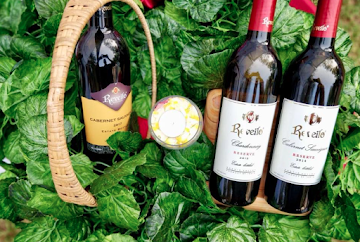
Reveilo (from Vintage Wines, Nashik) is the brand that quietly racks up medals at the Indian Wine Consumers Choice Awards. Their Reserve Cabernet is dense, brooding, with notes of blackcurrant, cedar, espresso and a touch of menthol. It needs 30 minutes in a decanter or a wide glass — once it opens up, it rivals bottles three times its price. Reveilo also makes a notable Sangiovese, the only Italian-grape wine in the Nashik region apart from Fratelli’s.
Pair it with: grilled lamb chops, mushroom risotto, mature cheddar.
Where to buy: Durga Wine Mart, BKC, Mumbai.
9. Four Seasons Barrique Reserve Shiraz — the United Spirits classic (₹700–₹1,200)
Owned by United Spirits, Four Seasons’ Baramati estate puts out a Barrique Reserve Shiraz that is aged in French oak for a year and consistently overdelivers for the price. Look for dark berry fruit, a whisper of smoke, soft tannins and a clean finish. It’s especially good if you’re hosting a mixed crowd — non-wine-drinkers find it accessible, while wine nerds appreciate the oak handling. Widely distributed across all major metros.
Pair it with: kebab platters, pasta arrabiata, tandoori paneer.
Where to buy: Aakash Wine & Company, Sadar Bazaar, Gurgaon.
10. York Arros — Nashik’s flagship blend (₹1,200–₹1,800)

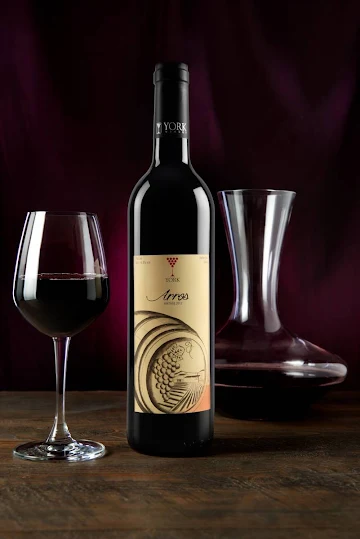
York Winery’s Arros is a reserve Shiraz-Cabernet blend produced in lots of fewer than 10,000 bottles. It is, depending on the vintage, the most quietly impressive bottle on this list — layered, pepper-and-spice driven, with a long finish. York’s tasting room overlooking Gangapur lake is also one of the better Nashik vineyard visits if you’re planning a wine-country weekend.
Pair it with: seekh kebabs, dum biryani, peppered steak.
Where to buy: Rana Partab Shing, Kajupada, Mumbai.
Tasting notes & food pairing cheat-sheet
Indian red wine and Indian food can be a complicated marriage — the high tannins in big Cabernets can clash with chilli heat, while overly spicy biryani will steam-roll a delicate Pinot. Use this guide to match grape to plate:
- Shiraz / Syrah (Sula Rasa, Dindori Reserve, Four Seasons, York) — black pepper, plum, smoke. Pair with lamb rogan josh, kebab platters, rogan-style biryani.
- Cabernet Sauvignon (Grover La Réserve, KRSMA, Reveilo Reserve) — blackcurrant, cedar, structured tannin. Best with red meats and grilled fare; avoid the spiciest curries because tannin amplifies heat.
- Merlot (Big Banyan) — plum, soft tannin. Friendly with butter chicken, paneer makhani, mushroom dishes.
- Sangiovese / Tempranillo (Fratelli Sette, Charosa, Reveilo Sangiovese) — bright acid, food-friendly. Pizza, pasta, chaat, paneer tikka.
One non-negotiable rule: serve Indian red wines slightly cooler than European reds — 16–18°C, not the “room temperature” of a 35°C Mumbai room.
Where to buy red wine in India: top magicpin liquor stores
Bottle prices fluctuate wildly by state, but availability fluctuates by neighbourhood. These verified magicpin partners stock most of the wines on this list and run regular cashback offers:
- Delhi: Perfect Alliance Hospitality, Feroze Shah Road — reliable on Sula and Grover stocks; close to Connaught Place.
- Delhi (CP cluster): Browse all Connaught Place liquor stores for premium imports and Indian reserves.
- Mumbai: Durga Wine Mart, BKC — deep selection of Fratelli, Reveilo and York.
- Mumbai: Living Liquidz, Kajupada — chain known for chilled storage and authentic vintages.
- Bengaluru: Wine Boutique, UB City Mall — the city’s premier curated wine shop, strong on KRSMA and Grover Zampa.
- Bengaluru: Cyber Wines, Lavelle Road — reliable Fratelli, Big Banyan and Sula stock.
- Gurgaon: Aakash Wine & Company, Sadar Bazaar — one of the largest Indian-wine selections on the Haryana side of the NCR.


Browse more options: Mumbai liquor stores · Bengaluru liquor stores · Gurgaon liquor stores.
The state of Indian wine in 2026
The Indian wine market is projected to grow by roughly USD 1 billion between 2026 and 2030, recovering from a 2024–25 urban-consumption slowdown. Sula Vineyards remains the dominant player with a market share above 50%, while Fratelli, Grover Zampa and KRSMA have established themselves in the premium segment. New Indo-EU trade dynamics may pressure margins, but for the consumer that often translates to better wines at the same shelf price — a good problem to have.
Nashik (Maharashtra) remains the centre of gravity, contributing roughly 80% of Indian wine production, while Karnataka’s Hampi Hills and Bengaluru-Nandi region account for most of the boutique output. Goa is increasingly relevant as a duty-friendly retail market — if you’re visiting, buy reserves there.
Quick Comparison Table (May 2026)
| Brand | Type | ABV | India Price 750ml | Best Serve |
|---|---|---|---|---|
| Sula Rasa Shiraz | Shiraz | — | ₹800–₹1,100 | Tandoori chicken, mutton seekh, paneer tikka |
| Sula Dindori Reserve Shiraz | Shiraz (Reserve) | 13.5% | ₹1,295–₹1,600 | Lamb rogan josh, Hyderabadi biryani, aged cheddar |
| Grover Zampa La Réserve | Cabernet Sauvignon–Shiraz blend | — | ₹900–₹1,300 | Grilled steak, kebab platters, mutton ghee roast |
| Fratelli Sette | Sangiovese–Cabernet Sauvignon blend | — | ₹2,000–₹2,800 | Osso buco, rare-roasted lamb, hard Italian cheeses |
| KRSMA Cabernet Sauvignon | Cabernet Sauvignon | — | ₹1,800–₹2,500 | Roast lamb, dark chocolate desserts, ribeye |
| Charosa Reserve Tempranillo | Tempranillo | — | ₹1,800–₹2,700 | Spanish tapas, biryani, butter chicken |
| Big Banyan Merlot | Merlot | — | ₹800–₹1,500 | Wood-fired pizza, butter paneer, grilled chicken |
| Reveilo Reserve Cabernet Sauvignon | Cabernet Sauvignon (Reserve) | — | ₹1,500–₹2,500 | Grilled lamb chops, mushroom risotto, mature cheddar |
| Four Seasons Barrique Reserve Shiraz | Shiraz (Barrique Reserve) | — | ₹700–₹1,200 | Kebab platters, pasta arrabiata, tandoori paneer |
| York Arros | Shiraz–Cabernet blend (Reserve) | — | ₹1,200–₹1,800 | Seekh kebabs, dum biryani, peppered steak |
Frequently asked questions
What is the best red wine in India under ₹1,000?
Sula Rasa Shiraz is the consensus pick, retailing between ₹800 and ₹1,100 depending on state excise. Big Banyan Merlot and Four Seasons Barrique Reserve Shiraz are also reliable picks in the same bracket.
Which is the No. 1 wine company in India?
Sula Vineyards, by both volume and revenue. Sula holds an estimated 50%+ market share of the Indian domestic wine market and is publicly listed on the BSE.
What is the best Indian red wine for biryani?
An Indian Shiraz — specifically Sula Dindori Reserve Shiraz or Four Seasons Barrique Reserve Shiraz. The black-pepper and dark-fruit profile complements the spice and richness of dum biryani without overpowering the rice.
Are Indian red wines suitable for cellaring?
Most are best drunk within 1–3 years of bottling. Premium reserves like Fratelli Sette, KRSMA Cabernet and York Arros can hold for 5–7 years if stored at 14–16°C in horizontal position. Don’t cellar entry-level Indian reds — they’re built for early drinking.
Why do red wine prices vary so much across Indian cities?
State excise and licence-fee structures differ dramatically. Maharashtra, Goa and Karnataka are the most affordable states for Indian wines because most wineries operate there. Delhi, UP and Tamil Nadu carry higher excise. The same Sula Dindori Reserve Shiraz can retail at ₹1,295 in Mumbai and ₹1,800+ in Delhi.
What is the difference between Sula Rasa and Dindori Reserve Shiraz?
Both come from Sula’s Nashik vineyards but use different fruit selections and ageing regimes. Rasa is the everyday Shiraz, lightly oaked and approachable. Dindori Reserve uses estate-grown Shiraz from Sula’s Dindori vineyard, ages 10–12 months in American oak, and is fuller bodied with longer finish — designed as Sula’s flagship red.
Can I buy these wines online in India?
Direct online wine sales are restricted in most Indian states due to state-level excise laws. Your most reliable bet is to find a magicpin-partner liquor store in your city, check stock and pickup. Maharashtra and Karnataka have the most flexible delivery rules.
Final pour
If you’re building an Indian-red-wine starter shelf in 2026, three bottles will cover most occasions: a Sula Rasa Shiraz for everyday, a Sula Dindori Reserve Shiraz or Grover Zampa La Réserve for weekend dinners, and a Fratelli Sette or KRSMA Cabernet for the bottle you save for special evenings. Indian wine has gone from “novelty” to “legitimate” in roughly a decade — and at current INR pricing, it is genuinely one of the best value-for-money wine origins in the world.
magicpin’s Food & Drinks Desk reviews wine, restaurants and bars across India. Prices in this guide reflect MRP ranges across Maharashtra, Karnataka and Delhi as of May 2026 and may vary with state excise. Drink responsibly — alcohol consumption is permitted only for adults of legal drinking age in their state.